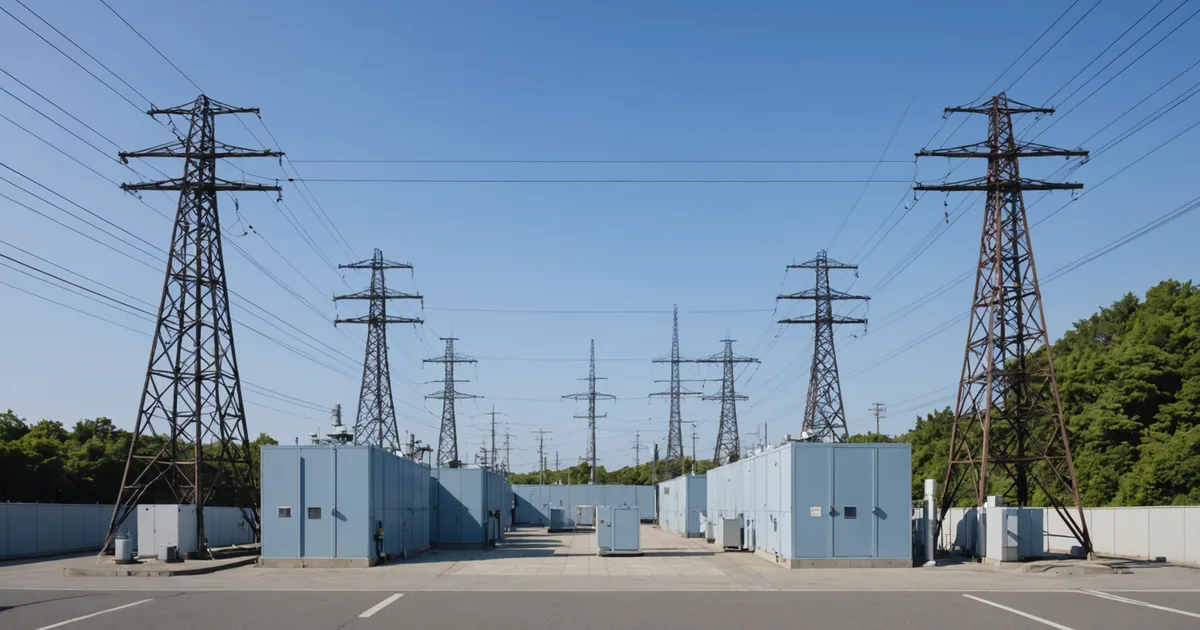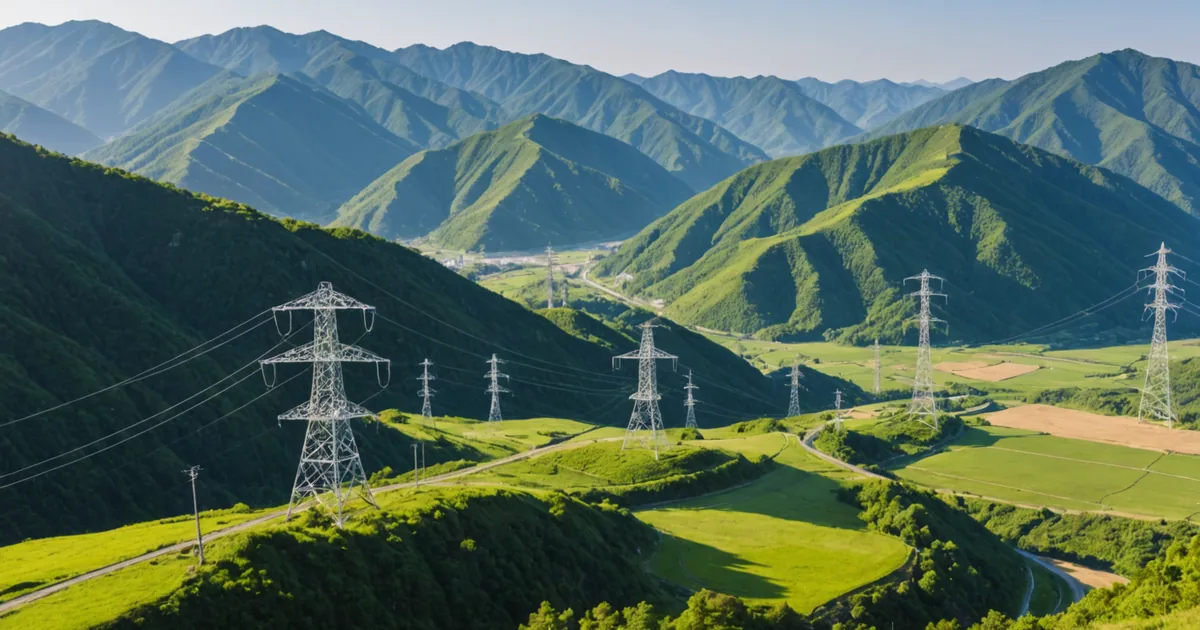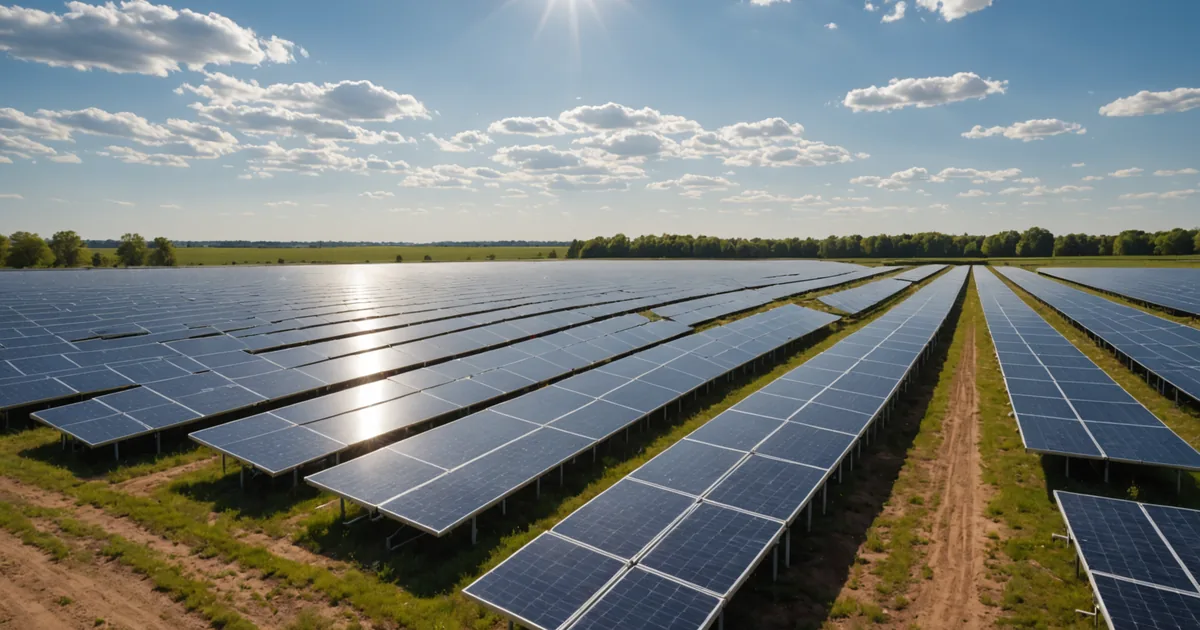

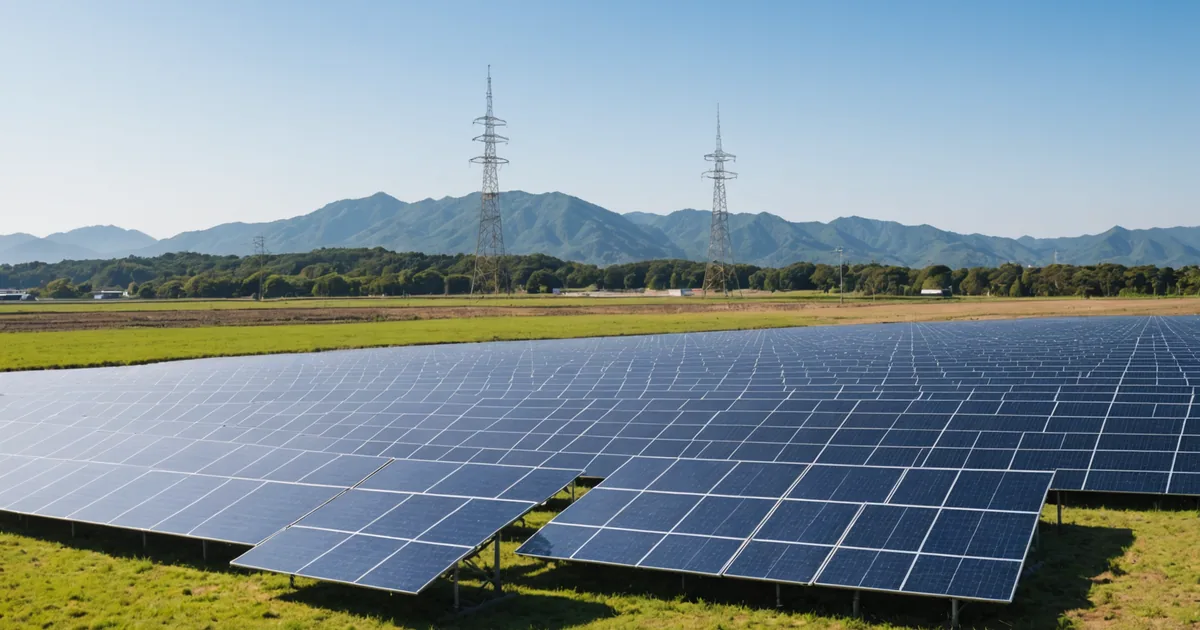
Curtailment numbers in Japan's western regions have drawn attention from energy analysts since Kyushu Electric Power first reported significant output restrictions in 2018. By the early 2020s, Kyushu had moved from being an unusual outlier to being the clearest preview of what solar-heavy grids elsewhere in Japan were heading toward. But the published curtailment volumes, measured in GWh per year, only partially capture what those curtailment events actually cost the operators managing generation and storage assets in the affected areas.
The full cost picture has at least three layers that the GWh number does not convey: the imbalance exposure created when storage operators mis-time their response to curtailment instructions, the opportunity cost of capacity that could have absorbed curtailed output but was not positioned to do so, and the market revenue that disappears when curtailment coincides with high JEPX spot prices rather than low ones.
Why Kyushu and Shikoku Are the Reference Cases
Japan's western grid regions face a structural mismatch that other regions will eventually encounter. Installed solar capacity grew rapidly through the feed-in-tariff era, predominantly in southern Kyushu where irradiance is high and land is available. The interconnection between Kyushu and Honshu, managed under OCCTO transmission scheduling rules, has limited capacity to export surplus generation northward. When solar peaks on mild weekends in spring and autumn, local demand is insufficient to absorb the output, and thermal baseload operators cannot ramp down fast enough to compensate.
OCCTO rules require curtailment to follow a priority order: first thermal generation, then biomass, then solar, with wind following a similar but distinct protocol. In practice, when renewable curtailment instructions are issued by the transmission system operator, solar and wind operators receive output restriction signals. For storage operators co-located with solar, this is both an instruction and an opportunity window, but only if the battery is in a position to absorb curtailed output.
The Three Cost Layers
Layer 1: Forgone Generation Revenue
The most straightforward component is the revenue that a solar generator loses when output is curtailed. Under Japan's FIT/FIP regime, curtailment of designated grid-stabilization curtailment (which follows a priority order defined by METI guidance) is generally not compensated if the operator received a curtailment instruction outside the non-curtailment guarantee provisions. For FIP generators operating in the spot market, the calculation is more direct: every MWh curtailed during a period when JEPX spot prices were above the FIP reference price represents foregone margin.
The timing of curtailment events in Kyushu tends to cluster on mild sunny days when irradiance is high and demand is low: spring weekends, Golden Week, and late-autumn Sundays. These are not typically high-price periods. The spot price on a mild Sunday afternoon when solar is producing well tends to be depressed precisely because supply is abundant. Curtailment is most frequent when the market price is already under pressure, which means the direct revenue loss from curtailment is somewhat lower than a naive MWh-times-average-price calculation would suggest.
Layer 2: Imbalance Exposure from Mis-timed Storage Response
This is the cost layer that catches operators off guard most often. When a curtailment instruction is issued, a storage operator with a day-ahead JEPX position has already committed to a dispatch schedule. If the battery was positioned to charge from solar output during the curtailment window (because the day-ahead forecast did not predict curtailment), the actual available charging energy drops suddenly. The operator may end up with a lower SOC than committed, creating a potential dispatch shortfall later in the day.
Alternatively, if the operator had bid to discharge into the afternoon peak but the curtailment event forced the battery to absorb output at midday instead, the SOC may arrive at the afternoon peak window higher than planned. The battery may be unable to accept the full planned charge from overnight off-peak prices because it has not fully discharged, compressing its next cycle. These imbalance exposure costs, settled at the JEPX imbalance price rather than the spot price, can dwarf the direct curtailment revenue loss.
Layer 3: Capacity Opportunity Cost
A battery that was fully charged at the start of a curtailment event cannot absorb curtailed output. This is the positioning problem. The optimal battery position at the moment a curtailment instruction arrives is a low SOC, so the battery can absorb as much of the curtailed energy as possible. But the optimal position for market arbitrage may be a high or intermediate SOC, depending on the expected price spread later in the day.
These objectives conflict. A storage operator who optimizes purely for arbitrage will, on average, be positioned incorrectly when curtailment instructions arrive. The opportunity cost is the revenue that could have been earned by capturing curtailed output (either for delivery into an evening peak window or for ancillary service participation) minus the arbitrage revenue that would have required a different SOC at the time of the curtailment event.
Quantifying this gap requires modeling the counterfactual: what would the battery have earned if it had been positioned with a lower SOC at curtailment time? The answer depends heavily on site-specific price dynamics, curtailment frequency, and the available market products. In Kyushu, where curtailment events during spring can occur on 30 or more days per year, the cumulative opportunity cost across a season is material.
What Dispatch Optimization Needs to Account For
Addressing curtailment costs requires the dispatch optimizer to treat curtailment probability as a forecast input alongside solar irradiance and JEPX price. This means building a curtailment probability signal, derived from historical curtailment patterns, current grid conditions reported by OCCTO, and the day-ahead solar forecast for the region, into the SOC positioning logic.
On days when curtailment probability is high (high irradiance, low demand forecast, weak interconnection margin), the optimal morning SOC target for a co-located storage system should reflect the expected opportunity to absorb curtailed output. The battery should arrive at the curtailment window with capacity to absorb, not fully charged from overnight arbitrage.
This is not a claim that curtailment capture always dominates arbitrage. On many days, it will not. The logic is that ignoring curtailment probability entirely, and treating the dispatch problem as a pure arbitrage optimization, systematically mis-positions storage assets in western Japan and leaves a consistent category of revenue on the table. Incorporating curtailment forecasting into the dispatch loop addresses the root of the positioning problem rather than reacting to curtailment instructions after the battery is already in the wrong state.